
Where the Wind Meets
There’s a moment in Where the Wind Meets where the game stops feeling like a sequence of objectives and starts feeling like a myth—one you aren’t meant to fully understand.
The Lunar Goddess quest is fragmented. The timeline jumps. Letters contradict each other. Information arrives out of order, if it arrives at all. At first, I thought I’d missed something important. Some piece of lore that would make everything click.
But the more time I spent in her shrine, the more it felt intentional.
This wasn’t a story meant to be explained.
It was one meant to be listened to.
All I really know about Li Zhenzhen—the Lunar Goddess—is simple.
She loved peace.
She loved music.
She lost her sight.
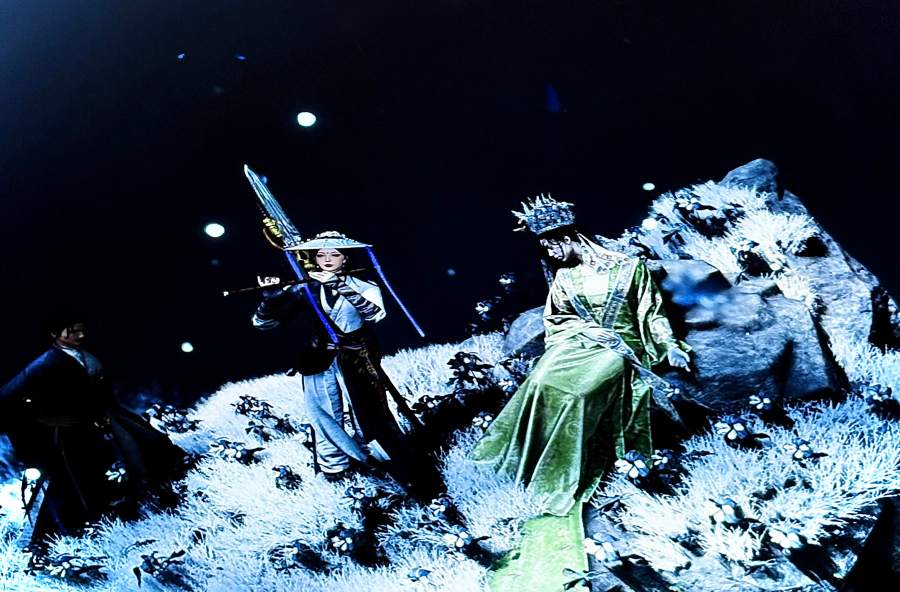
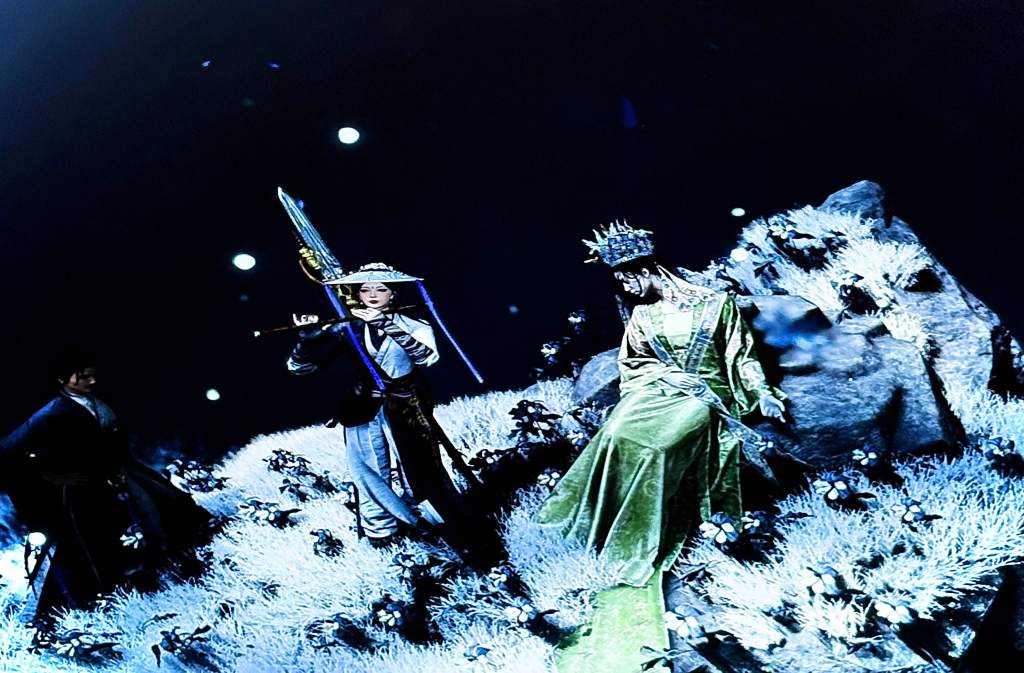
She came to that cave many years ago and stayed there, withdrawn from the world but not absent from it. While time moved on without her, she tended a single Moonlit Flower—one believed to be extinct.
That flower becomes the quiet center of the entire quest.
When you touch it, you lose your sight—but not completely. The world doesn’t go dark. Instead, you begin to see differently. Shapes give way to something closer to presence. An aura. A feeling. That altered vision becomes necessary to move forward through certain parts of the shrine.
Progress only happens once you accept the trade.
Earlier in the quest, you’re asked to bring her two items. The game never explains them outright, but their placement says enough.
The Small Blade rests on an ordinary table in her modest living space. It isn’t ceremonial. It isn’t displayed like a relic. It feels like something tied to a single moment—sacrifice, self-defense, or a decisive act that left her “blind to the world.” Not just physically, but deliberately. A vow that separated her from the life she once lived.
The Moonlit Flower grows alone, glowing brighter than the plants around it. Flowers like it obscure vision yet reveal hidden paths. Sight is taken, but understanding is given in return.
Together, they tell a story without dialogue:
losing something essential, and choosing what to nurture afterward.
You aren’t alone during this quest. An NPC travels with you—someone who believes he can restore her sight. He calls it mercy. Help. The right thing to do. Yet even he hesitates, admitting it doesn’t feel like what she truly wants.
Later, you find letters that complicate his version of events. They don’t give you clarity. They fracture the truth further. No single account stands unchallenged.
And the game never resolves that contradiction for you.
Instead of fixing her, you’re asked to help her move on.
I didn’t stop at the main path.
I gathered the letter fragments scattered through the shrine. They didn’t provide answers so much as texture—proof that this story was never meant to be clean or singular. I also returned to the Moon Goddess statue after the quest and completed the pressure plate puzzle again. And again.
The final time, there were no visual cues.
Only sound.
You have to trust tone and rhythm instead of sight.
That felt like the last lesson the shrine wanted to teach.
Only after acknowledging the blade, accepting the flower, and learning to listen instead of look was Li Zhenzhen finally able to move on.
There was no triumph in it. No celebration. Just a quiet sense of rest, as if the space itself had exhaled.
When the quest ended, something unexpected happened.
Players left signposts all around the area. Not to guide others—but to mourn.
They wrote about how beautiful she was.
That losing her was a shame.
That what happened to her was wrong.
That she was a real one.
It felt like standing inside a shared grief. A collective understanding that this wasn’t just an NPC or a completed objective, but a story that deserved to be remembered.
I don’t know which version of her story is “true.”
But I know this:
she didn’t want new eyes.
She wanted peace.
She wanted the flower to live.
She wanted others to learn how to see without owning what they saw.
Some stories don’t ask to be solved.
They ask to be carried forward—carefully, imperfectly, and together.


This was a pretty crazy story. I love how she did the flowers grew that scared flower in that cave.
LikeLike