
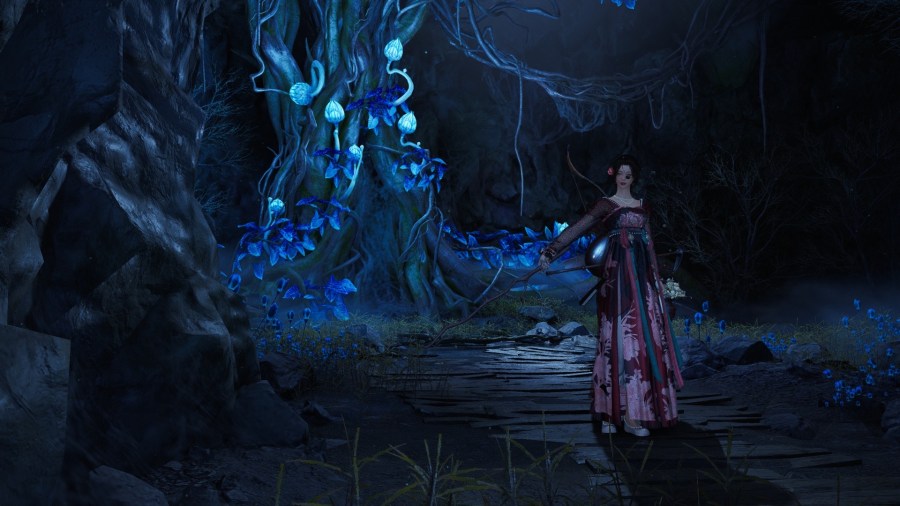
Some worlds ask you to conquer them.
Others ask you to listen.
Where the Wind Meets is the second kind.
I didn’t arrive here chasing competition or efficiency. I arrived because my duo told me it was beautiful — that the story mattered, that the world felt alive. They were right. But what they didn’t tell me was how quietly this game would settle into me, how it would ask me to slow my pace and walk with intention.
This isn’t just a game I’m playing.
It’s a land I’m learning.
The Wind Carries Memory
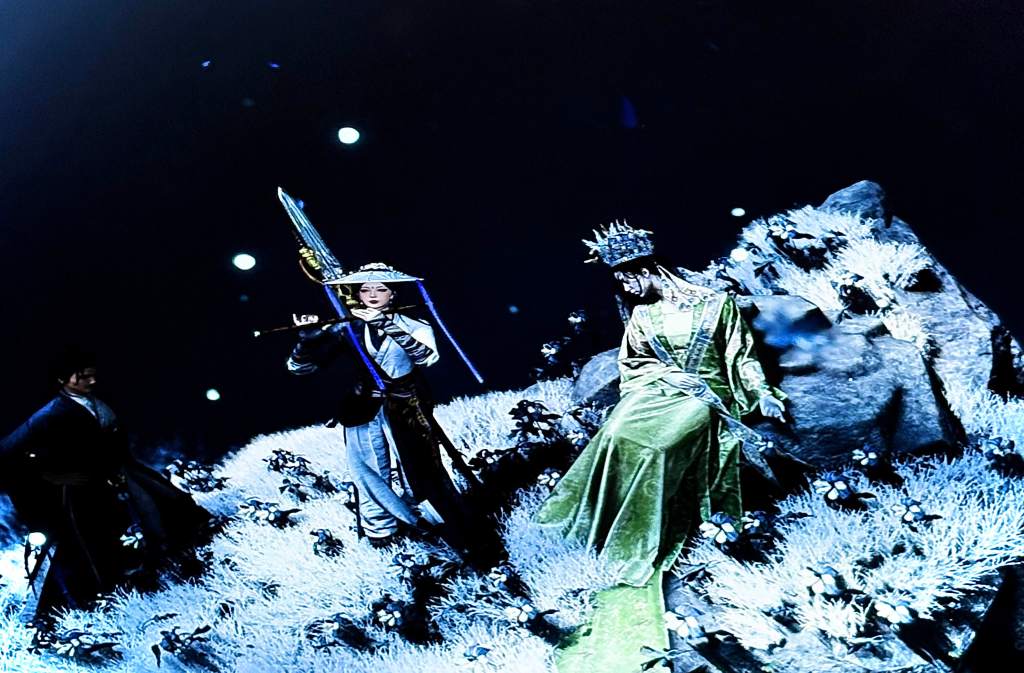
From the beginning, Where the Wind Meets treats story as something sacred.
The main storyline doesn’t rush you forward. It unfolds in measured breaths — fragments of history, identity, and truth revealed when you’re ready to carry them. There were moments when I understood exactly where the narrative wanted me to go next… and the game simply asked me to grow before continuing.
Not grind.
Not rush.
Grow.
To progress, I had to leave the safety of the main path and step into the world itself. Exploration became more than optional content — it became a form of storytelling. Every level gained felt earned not through repetition, but through understanding the land and the people who inhabit it.
This is environmental storytelling at its quietest and strongest.
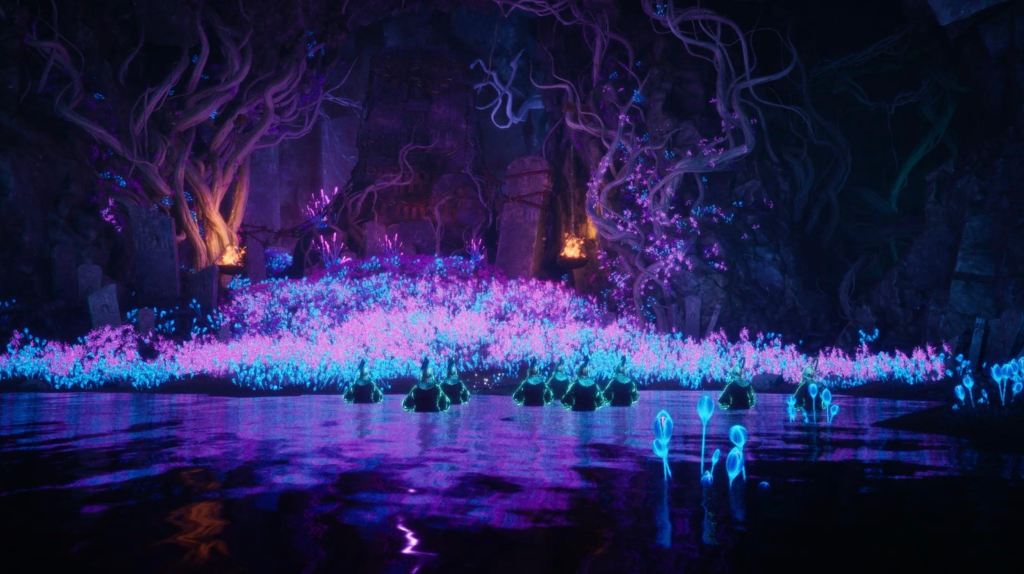
When Exploration Becomes Conversation
The world does not wait politely for you to interact with it.
You wander — and something happens.
An unfamiliar face.
A sound carried on the wind.
A place that feels wrong in a way you can’t explain yet.
Quests don’t always announce themselves. They emerge naturally, triggered by proximity, curiosity, or simply being present in the right moment. It feels less like activating content and more like interrupting lives already in motion.
This design choice changes how you move.
You stop sprinting.
You stop chasing markers.
You start watching.
And in that stillness, the world speaks.
Walking the Path Together — Co‑Op Field Notes
Co‑op in Where the Wind Meets feels less like a mode and more like shared presence.
Exploring alongside my duo has been genuinely enjoyable — moving through landscapes together, fighting side by side, pausing to take in views that feel deliberately crafted to be lingered in.

That said, the world still feels primarily built for solo wandering. While co‑op exploration is rewarding, I find myself wishing there were more quests designed specifically to deepen that shared experience — moments where the narrative recognizes more than one blade walking the road.
One social system that surprised me, however, was the marriage/partnership feature. It’s an unexpected layer of connection — less about mechanics and more about acknowledging bonds formed within the world. Small, but meaningful.
Identity in Motion — Customization & Expression
Customization matters in a game that centers identity.
Where the Wind Meets understands this. Character creation offers freedom, elegance, and personality — allowing you to look like someone who belongs to the world rather than someone dropped into it.
My only real frustration lies in the bundle‑locked cosmetics. There are individual pieces — a sleeve, a pattern, a silhouette — that feel perfect on their own, yet remain inaccessible unless purchased as part of a full set. The ability to buy pieces individually would elevate customization from good to exceptional.
Identity, after all, is rarely a full set.
Sects, Guilds, and Shared Purpose
Beyond the solitary path, the game offers structure for community.
You can join or create a Guild.
You can align yourself with a Sect.
You can move through a shared world without ever being forced into it.
This balance matters.
For those of us who value clan identity and collective growth, these systems feel like open doors rather than obligations — spaces to gather, to train, to exist together without losing individuality.
It’s a framework that respects both the lone wanderer and the banner‑bearer.
Closing Field Notes — Listening to the Wind
So far, Where the Wind Meets has proven itself to be a game of patience, presence, and quiet confidence.
It doesn’t overwhelm.
It doesn’t demand.
It invites.
There are improvements I hope to see — deeper co‑op questing, more flexible cosmetic systems — but they don’t diminish the core experience. The heart of this world beats steadily, unbothered by urgency.
This is a game for those who don’t just want to win…
but want to wander.
For now, I walk.
I listen.
And I let the wind carry me forward.
— Field notes ongoing.

