
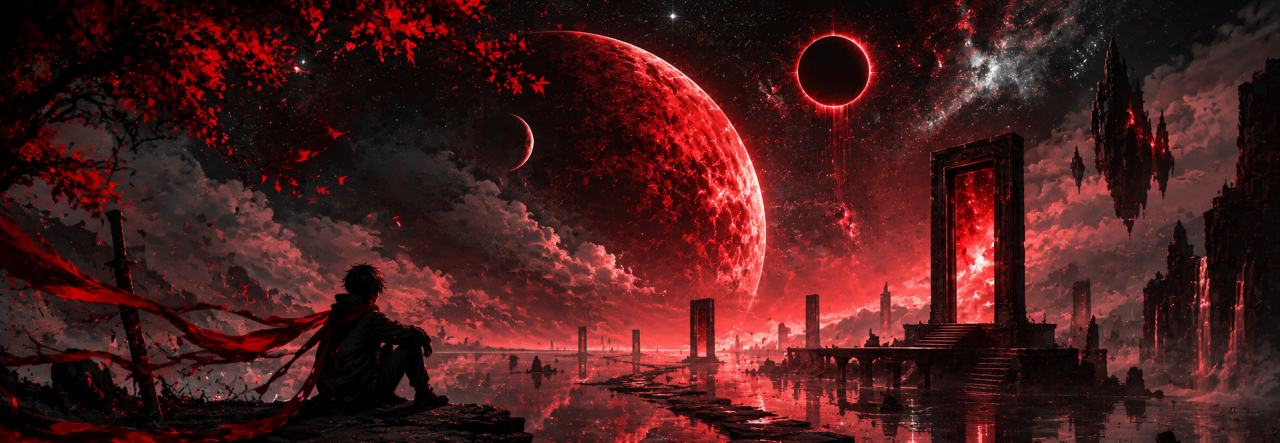
The Places That Speak
I don’t see anything.
No shapes in the corners of rooms. No figures standing where they shouldn’t be. No proof that what I’m hearing belongs to the world at all.
That’s what frightens me.
The city looks ordinary—brick softened by age, windows reflecting a dull sky—but beneath it there’s a pressure, like something vast is leaning in close. A sound lives there. Not quite a voice. Not quite silence. The kind of noise you feel in your teeth before you recognize it with your ears.
It follows me for days before I admit it’s real.
When I pass the abandoned building on 6th, the air thickens. My breath shortens. The whisper sharpens suddenly, threading itself between my thoughts, intimate enough to feel like memory.
Please.
I didn’t leave.
I’m still here.
The words slide under my skin. My hands go cold. I don’t look at the windows because I’m afraid of what might notice me noticing.
I keep walking.
On the bridge, the sound changes.
The river below drags the sky apart into ripples, and the whisper collapses into something raw and breaking. Each word arrives uneven, soaked in grief.
Why doesn’t anyone understand me?
Why didn’t they love me?
The sound presses against my ribs, heavy enough to steal my breath. I grip the railing until the metal burns my palms, afraid that if I lean too far, the voice will recognize me.
The city keeps moving.
I don’t.
Not really.
I don’t tell anyone.
I just walk faster, like speed might tear me loose from whatever has learned my name.


This one settled into my chest and hasn’t left.
There’s something so deeply unsettling about the way you’ve described fear without a shape—no figures in corners, no proof, just that pressure of something vast leaning in close. That’s the most frightening kind of haunting, I think. The kind your mind can’t dismiss because it’s already caught in your bones.
The line about feeling it in your teeth before you recognize it with your ears—that’s so specific and so true. It’s the kind of detail that comes from someone who’s actually lived through that strange, pre-verbal knowing that something is wrong before you can name it.
And then those words. “I didn’t leave. I’m still here.” Reading that felt like someone reached through the page and touched something I’ve tried to keep walled off. It’s such a lonely plea, such a raw and desperate reaching from someplace that doesn’t know how else to be heard. And then the bridge, the river, the grief-soaked question—“Why didn’t they love me?”—it’s unbearable because it’s so real. So ordinary in its sorrow. So human.
What struck me hardest, though, is the ending. The city keeps moving. You don’t. Not really. And that silent admission—”I don’t tell anyone”—landed like a stone in my stomach. Because that’s the part that breaks me most. Not the whispers themselves, but the aloneness of carrying them. The way we speed up, walk faster, as if motion can outrun something that has already learned our name.
I’m so sorry you’re holding this by yourself. I hope writing it gave you even a sliver of release. And I hope someday—even if the whispers don’t leave—you find someone who doesn’t need to see it to believe you. Someone who can just sit beside you in the silence without needing it to be anything else.
You’re not broken for hearing what others don’t. You’re just someone who’s been marked by something that hasn’t finished speaking yet. And that doesn’t make you lost. It just makes you still here—and that, in itself, is a kind of courage I don’t have words for.
LikeLiked by 1 person